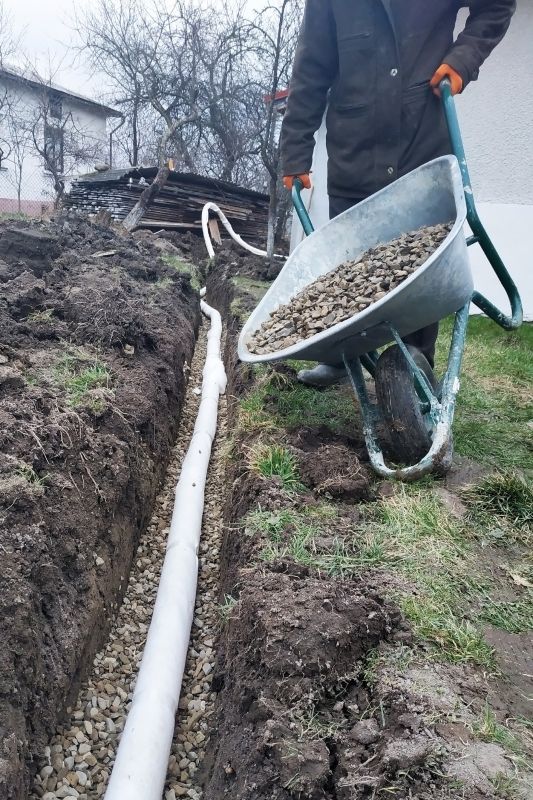
Irrigation Trenching in Salt Lake City, UT
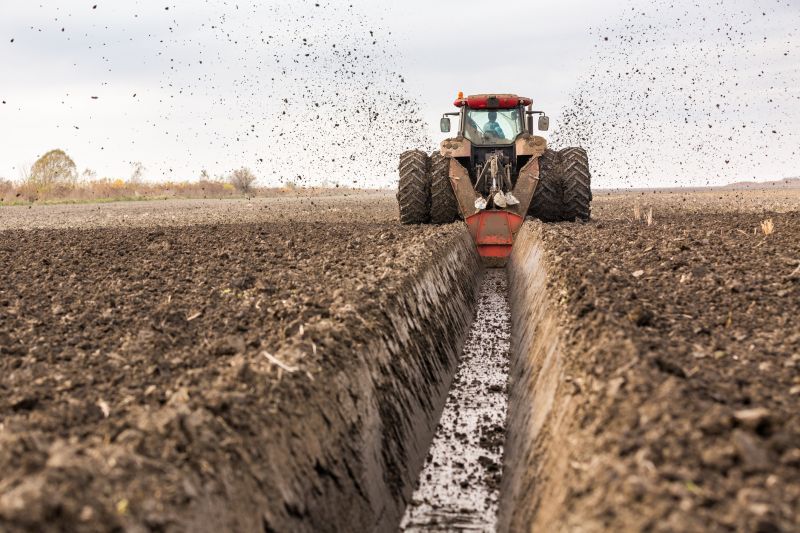
Irrigation trenching services involve excavating narrow channels in the ground to install or repair underground irrigation systems. This process is commonly used for projects such as laying new sprinkler lines, updating existing irrigation networks, or installing drip irrigation in lawns, gardens, and landscaped areas. Property owners typically seek this service to ensure their outdoor watering systems are efficient, properly positioned, and protected from damage, helping to maintain healthy lawns and gardens.
Before requesting irrigation trenching, property owners should consider the layout of their existing irrigation system, the type of soil on their property, and any underground utilities that may be present. It’s also helpful to determine the extent of the trenching needed and any specific requirements for sprinkler head placement or system upgrades. Clear communication about project goals and site conditions can help ensure the trenching work aligns with the property's irrigation needs.
Many property owners in Salt Lake City, UT look into Irrigation Trenching for repairs, replacements, upgrades, and appearance-related improvements.
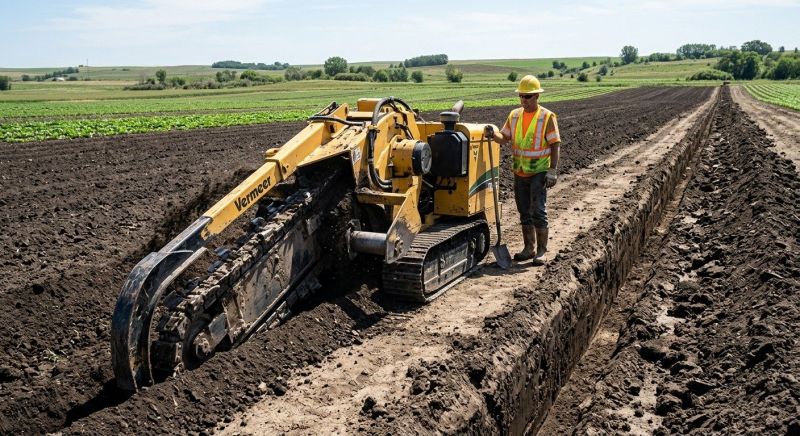
Irrigation Trenching For Lawn Installation
Proper trenching ensures efficient water delivery for new lawns in salt lake city.
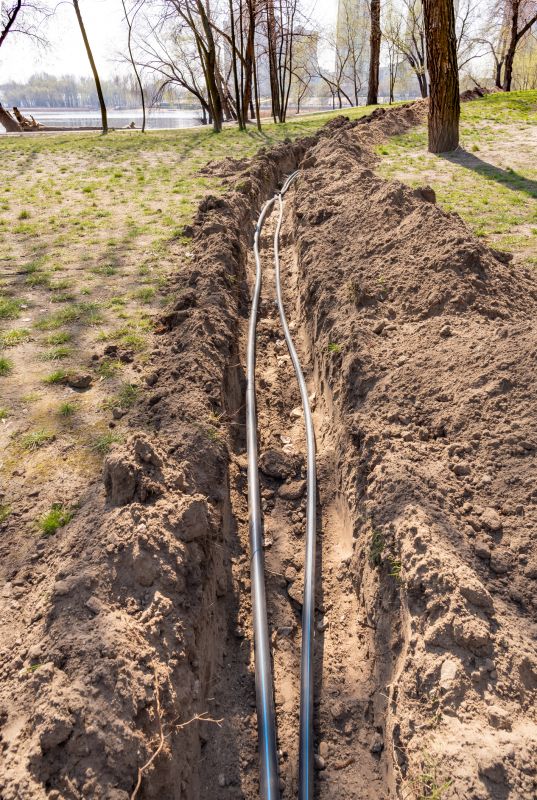
Drainage System Installation
Trenching helps establish effective drainage paths to prevent water pooling around properties.
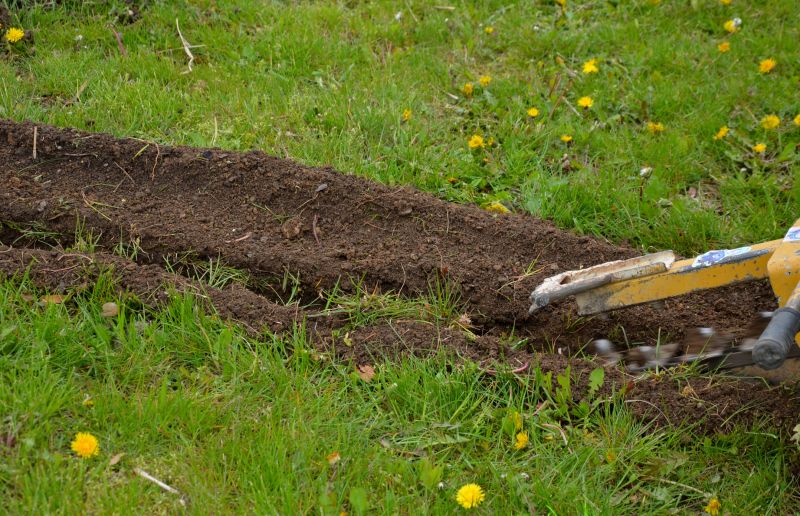
Underground Pipe Placement
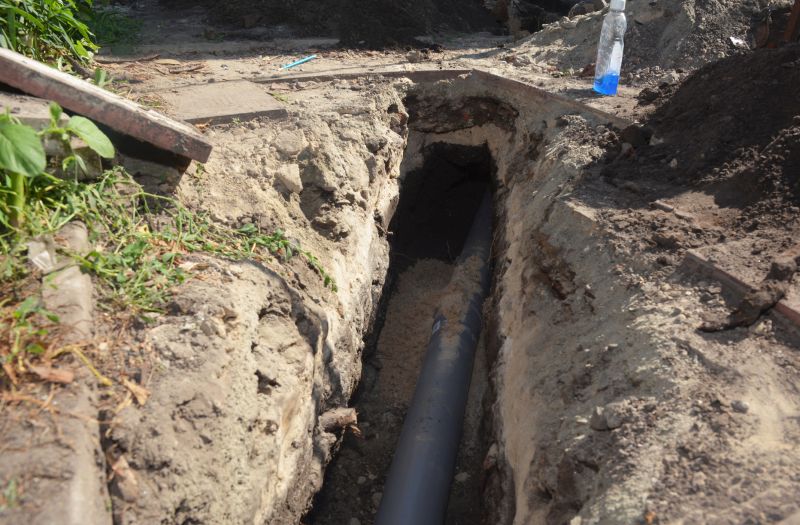
Accurate trenching allows for safe and reliable underground pipe installation for irrigation needs.
Irrigation Trenching in Salt Lake City, UT

Irrigation trenching services involve excavating narrow channels in the ground to install or repair underground irrigation systems. This process is commonly used for projects such as laying new sprinkler lines, updating existing irrigation networks, or installing drip irrigation in lawns, gardens, and landscaped areas. Property owners typically seek this service to ensure their outdoor watering systems are efficient, properly positioned, and protected from damage, helping to maintain healthy lawns and gardens.
Before requesting irrigation trenching, property owners should consider the layout of their existing irrigation system, the type of soil on their property, and any underground utilities that may be present. It’s also helpful to determine the extent of the trenching needed and any specific requirements for sprinkler head placement or system upgrades. Clear communication about project goals and site conditions can help ensure the trenching work aligns with the property's irrigation needs.
Many property owners in Salt Lake City, UT look into Irrigation Trenching for repairs, replacements, upgrades, and appearance-related improvements.
Common Irrigation Trenching Jobs
Irrigation trenching - creates channels for installing or repairing underground sprinkler systems.
Landscape irrigation - involves trenching to lay out new watering lines across lawns and gardens.
Drainage solutions - includes trenching to install drainage pipes for managing excess water.
Pipe installation - requires trenching to safely lay or replace underground water and sprinkler lines.
Water line repairs - involves trenching to access and fix broken or leaking water lines.
Yard renovations - includes trenching for new irrigation or drainage systems during landscape upgrades.
Irrigation Trenching Questions
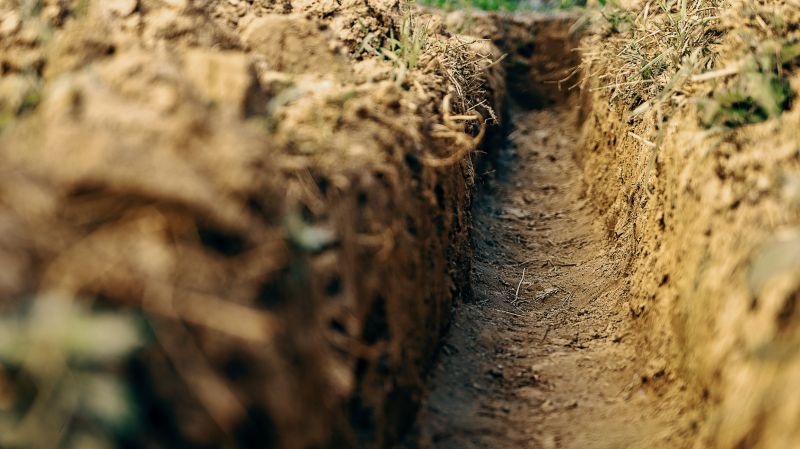
What is irrigation trenching? It involves digging narrow trenches to install or repair underground irrigation lines for lawns and gardens.
When is irrigation trenching needed? It is typically required when installing new sprinkler systems or replacing old, damaged pipes underground.
What should property owners know before trenching? Proper planning ensures efficient water coverage and minimizes disruption to existing landscaping.
Can trenching be done around existing structures? Yes, trenches can be carefully placed to avoid impact on driveways, walkways, and other features.
Request Irrigation Trenching in Salt Lake City, UT
Use the quote form on this page to share the basics of your project and request more information for the type of work you need.